
A Pastoral Reflection by Pastor Lierte Soares
Migration has always been part of the human story. From Abraham leaving his homeland to Joseph living in Egypt, from Ruth crossing borders in search of survival to the dispersion of the early church throughout the Roman Empire, the Bible is filled with people who carried both hope and pain in their journeys.
Today, millions of immigrants around the world continue to live this reality. Behind every accent, every work uniform, every late-night shift, and every remittance sent back home, there is often a silent emotional battle. Many immigrants suffer deeply, not because they lack faith, but because they are carrying burdens that are difficult to explain.
One of the realities increasingly recognized today is what specialists call Ulysses Syndrome, also known as the Immigrant Syndrome of Chronic and Multiple Stress. Named after the Greek hero Ulysses, who faced countless hardships far from home, this condition reflects the prolonged emotional exhaustion experienced by many immigrants trying to survive, adapt, and rebuild life in a foreign land.
It is important to understand that Ulysses Syndrome is not necessarily a mental illness. It is often a natural human reaction to overwhelming stress, loneliness, uncertainty, fear, and emotional fragmentation. Many immigrants are not “broken”; they are simply tired — emotionally, spiritually, physically, and socially.
The Hidden Pain of Immigration
Immigrants frequently carry invisible wounds.
Some work long hours while struggling with isolation. Others live under financial pressure while missing important family moments back home. Many feel trapped between two worlds: no longer fully belonging to the country they left, yet never feeling completely accepted in the country where they now live.
This accumulated pain can produce symptoms such as:
Persistent sadness
Anxiety and nervousness
Chronic fatigue
Sleep disorders
Headaches and migraines
Gastric and bodily discomfort
Emotional numbness
Constant worry about the future
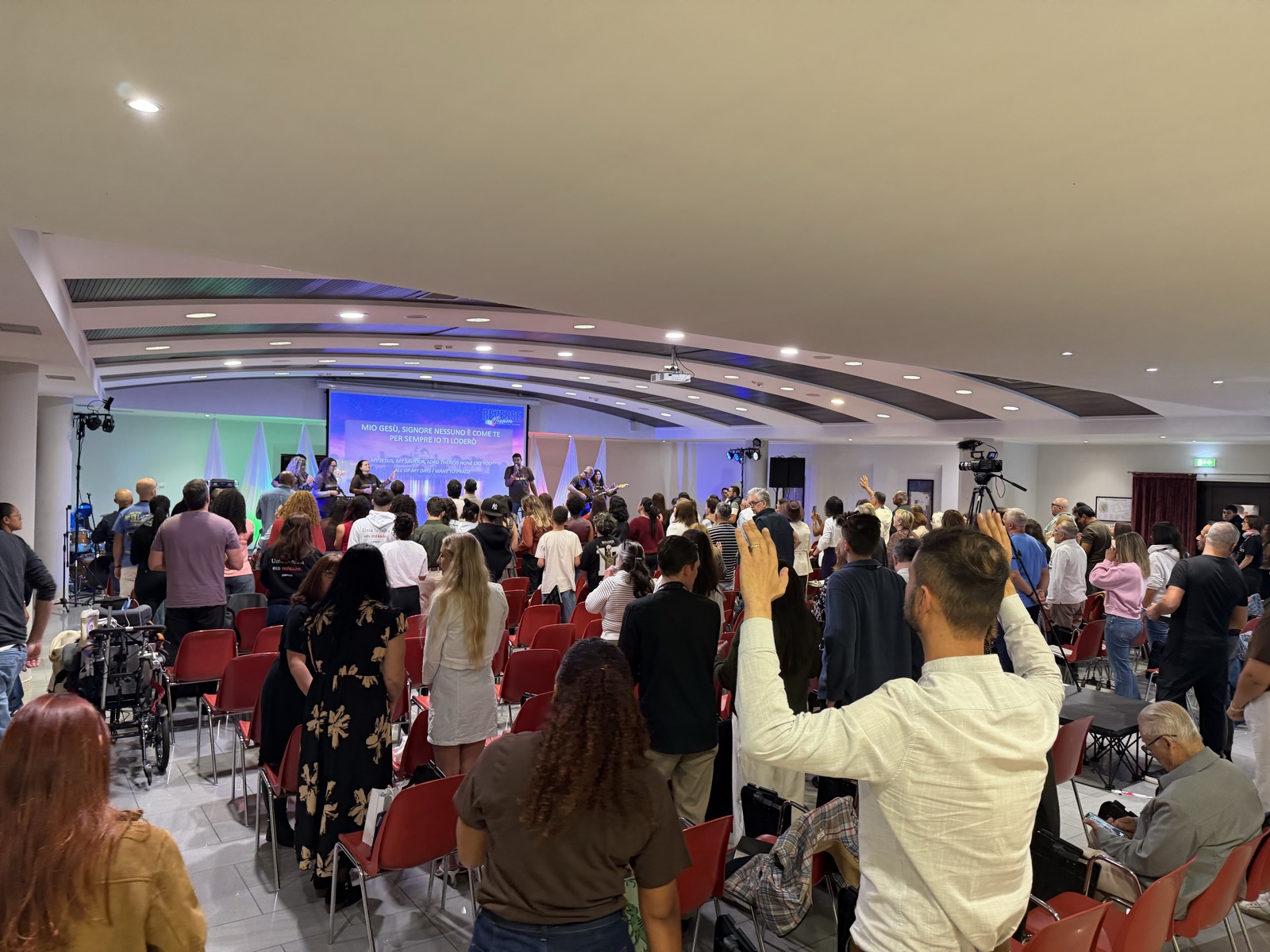
As a pastor serving immigrant communities for many years, I have witnessed these realities closely. I have prayed with fathers who cry silently because they miss their children. I have counseled mothers overwhelmed by loneliness. I have seen educated professionals forced to restart life from zero in unfamiliar systems and cultures.
Immigration can be both a blessing and a trauma at the same time.
The Seven Migratory Mournings
Experts describe seven major losses experienced by immigrants. I believe these “mournings” are deeply spiritual as well as emotional.
1. Mourning Family and Loved Ones
One of the greatest pains of immigration is separation. Birthdays are missed. Funerals happen far away. Grandparents age through video calls. Parents watch children grow up from another continent.
Human beings were created for connection. Isolation wounds the soul.
2. Mourning Language
Language is more than communication — it is identity. Many immigrants feel powerless when they cannot fully express themselves. Even intelligent and capable people may feel reduced or misunderstood because of language barriers.
3. Mourning Culture and Values
Food, humor, customs, worship styles, social expectations, and daily interactions all change. Immigrants often experience cultural exhaustion while trying to adapt without losing themselves.
4. Mourning Social Status
Many immigrants leave respected professions behind. Engineers become cleaners. Teachers work in factories. Pastors start over from nothing. This transition can deeply affect dignity and self-esteem.
5. Mourning Physical Safety
For some, the migration journey itself involves danger, fear, exploitation, or trauma. Even after arriving safely, uncertainty about immigration status can create chronic stress.
6. Mourning Identity
“Who am I now?”
This question haunts many immigrants. They may feel divided between cultures, generations, and expectations. Identity confusion can quietly erode emotional stability.
7. Mourning Landscape and Climate
Even the physical environment changes. Weather, seasons, architecture, and daily rhythms can intensify homesickness and emotional disorientation.
The Church Must Wake Up
The immigrant crisis is not merely political or economic. It is profoundly pastoral.
The church cannot only preach salvation while ignoring emotional suffering. We must become communities of refuge, healing, friendship, and restoration.
Immigrants do not simply need documents, jobs, or programs. They need belonging.
The Gospel reminds us that God Himself cares deeply for the foreigner:
“The Lord watches over the foreigner and sustains the fatherless and the widow.” — Psalm 146:9
Jesus Himself experienced displacement as a child when His family fled to Egypt. Our Savior understands the immigrant experience.
Churches must create spaces where immigrants can:
Build genuine relationships
Speak openly without shame
Receive practical support
Preserve dignity and identity
Worship in community
Find emotional and spiritual healing
Sometimes the most powerful ministry is simply presence.
Faith and Emotional Health
Unfortunately, some Christians feel guilty for experiencing emotional exhaustion. They think fatigue means weak faith. But even biblical figures experienced deep emotional anguish.
Elijah became exhausted and asked God to take his life. David wept openly. Paul spoke of despair. Jesus Himself experienced sorrow and agony.
Emotional suffering does not disqualify spirituality.
Seeking help is not lack of faith. Community support, counseling, friendship, rest, prayer, and compassionate listening are all part of God's healing process.
Many immigrants do not need condemnation. They need compassion.
A Pastoral Word to Immigrants
To every immigrant reading this:
God sees your sacrifice.
He sees the nights you cried in silence. He sees the pressure you carry. He sees the family you miss. He sees the exhaustion hidden behind your smile.
Your identity is not defined by your immigration status, your accent, your salary, or your struggles.
You are loved by God.
Do not isolate yourself. Find healthy community. Build relationships. Seek spiritual support. Allow yourself to rest emotionally. Speak about your pain. You were never created to carry everything alone.
And remember this: your journey has purpose.
Throughout history, God has often moved through displaced people, immigrants, exiles, and foreigners to accomplish His mission in the world.
Perhaps your story is not only about survival.
Perhaps it is also about redemption, healing, and mission.
Conclusion
Ulysses Syndrome reminds us that immigration affects the whole person — body, mind, emotions, relationships, and spirit. As Christians, we are called to respond not only with theology, but with compassion.
The future church in America and around the world will increasingly be shaped by immigrants. Therefore, the church must become a spiritual home for weary travelers.
May we never forget:
Behind every immigrant is a human soul longing to be seen, heard, loved, and welcomed.
And that is exactly the kind of people Jesus embraced.
About the author
Lierte Soares Junior is a Brazilian-American pastor, missionary, and educator serving in New England. Sent from Brazil as part of the growing movement of reverse mission, he is engaged in strengthening and revitalizing churches across the region. He currently serves as president of the Baptist Churches of New England.
His academic journey reflects a strong commitment to both theological depth and practical ministry. He earned a law degree from Faculdade de Direito Vale do Rio Doce, along with degrees in business and education, and a Bachelor of Arts in Theology from Faculdade de Teologia Integrada in Brazil. In the United States, he completed a Master of Divinity at Midwestern Baptist Theological Seminary and a Master of Theological Studies with a concentration in cross-cultural missions from Southwestern Baptist Theological Seminary. He is currently pursuing a Doctor of Ministry in Missions and Evangelism at the same institution.
This diverse academic formation—spanning both Brazil and the United States—deeply shapes his ministry. It has equipped him with a thoughtful and practical understanding of cross-cultural engagement, church revitalization, and leadership in complex, multicultural settings. As a reverse missionary, Soares brings together theological training and lived experience to serve the Church in New England with clarity, conviction, and a global perspective.
Cover image: “The World Turned Upside Down” via Flickr (CC BY 2.0).